This classic Middle Eastern za’atar recipe is perfect for seasoning everything from veggies, to meats, seafood, breads, dips and more.
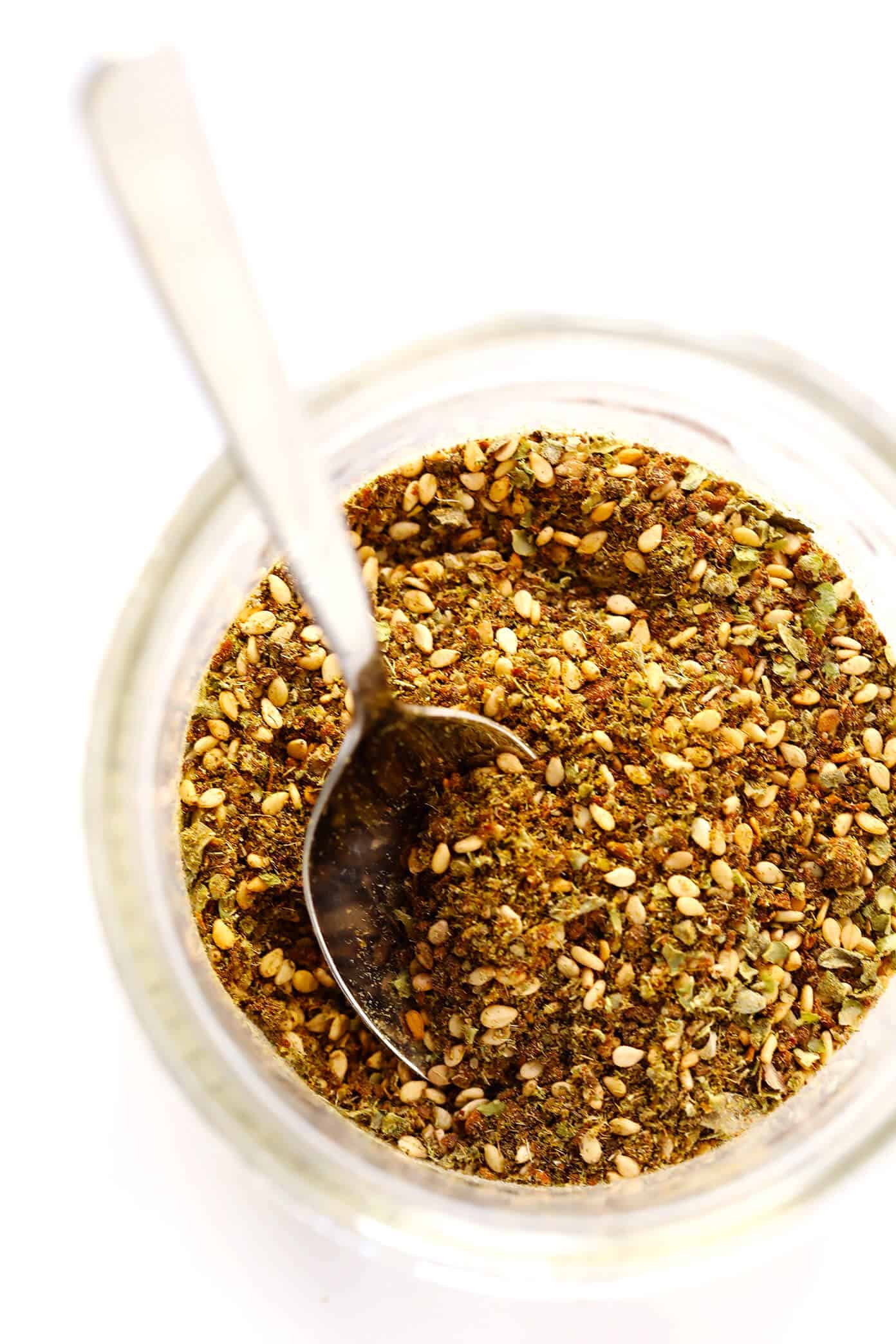
Friends! Do you have a jar of za’atar seasoning sitting in your spice collection right now?
If not, it’s time to mix up a quick batch. ♡
This classic Middle Eastern herb and spice blend has been one of my go-to seasonings for years now, mainly because it is absolutely delicious, because also its earthy, savory flavors literally go with just about everything. Chicken, fish and shellfish? Always a winning combo. All kinds of roasted veggies, potatoes, and chickpeas? Sprinkle it on liberally! Hummus, tahini dip, baba ganuosh, salad dressings, lentil soup, olives and more? Stir in a generous spoonful for an instant flavor boost. Bread, pita chips, and even popcorn? Oh boy, za’atar and carbs were made for each other.
I’ve been a huge fan of za’atar ever since a friend introduced me to it about five years ago. But I haven’t been able to track down a pre-made blend yet here in Barcelona. So I’ve been mixing up my own from scratch these past few months, and tinkering around with the proportions a bit each time, and I think I’ve now finally nailed my favorite recipe.
Let’s make some!
What Is Za’atar Seasoning?
So first off, what exactly is za’atar seasoning? And what goes in it?
Well, the word za’atar (pronounced “zah-tahr”) literally translates to mean “wild thyme” in Arabic. But it’s more known as a seasoning blend, whose ingredients vary slightly from country to country across the Middle East. And it is delicious.
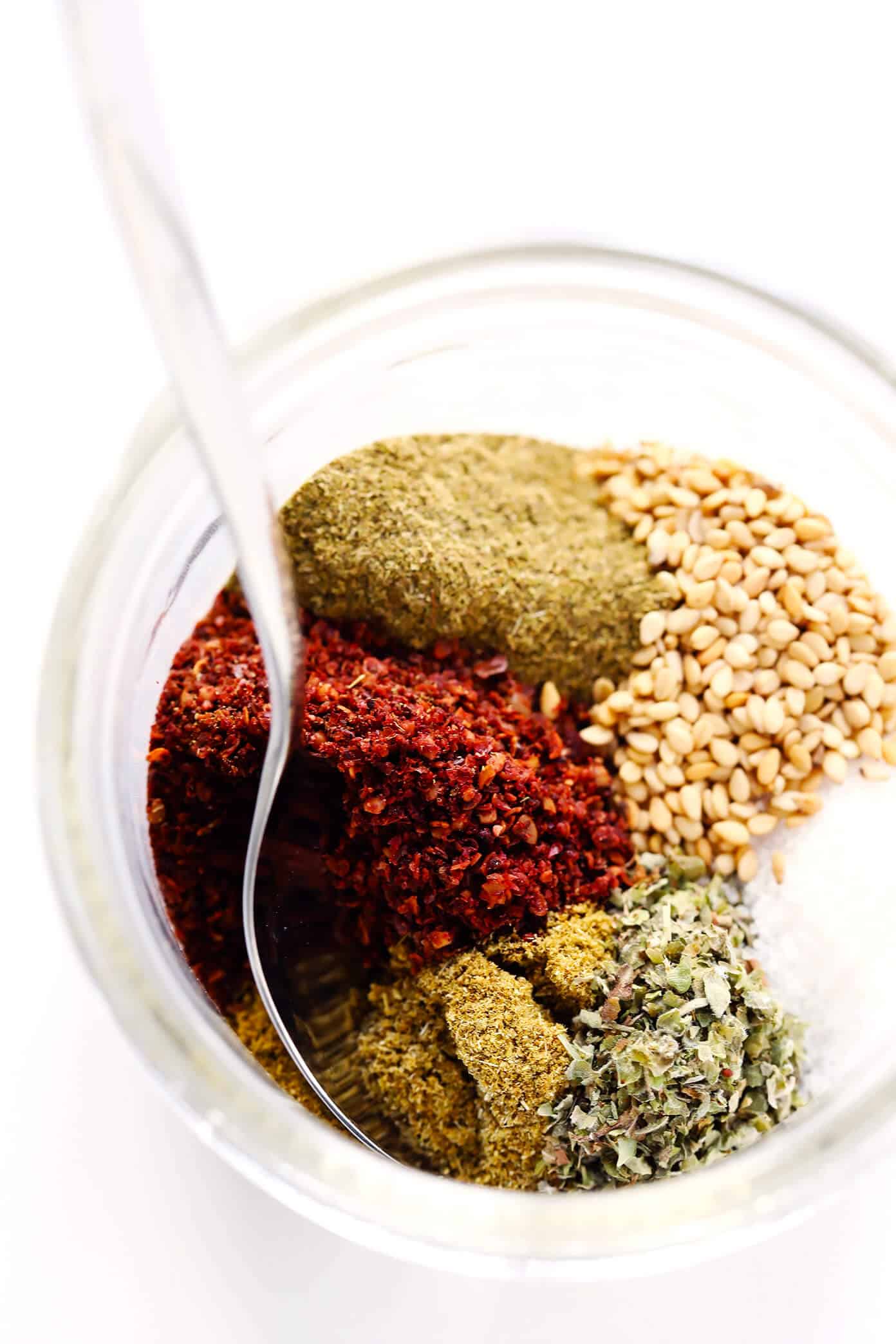
Za’atar Ingredients:
The starring ingredient in traditional Middle Eastern za’atar is usually its namesake — a variety of wild thyme that is native to the region, which is then dried (or occasionally used fresh) and then ground to mix into za’atar seasoning. That said, since wild thyme is difficult to find in the States, traditional fresh or dried thyme will work too. It’s traditional for the thyme to be ground for za’atar, which you can either purchase pre-ground or use a mortar and pestle to ground your own. Or, hakuna matata, you can totally skip that step and just add in a little extra (non-ground) dried thyme instead, which will be just as delicious.
The main three ingredients for za’atar seasoning usually include:
- Thyme: As noted above
- Sesame Seeds: toasted, to bring out their flavor
- Sumac: a delicious tangy, lemony red spice that I adore
That said, various Middle Eastern countries also like to add in other herbs. I really love adding in some extra cumin and marjoram, plus salt and pepper. But feel free to experiment and find which flavors taste best to you.
How To Make Za’atar:
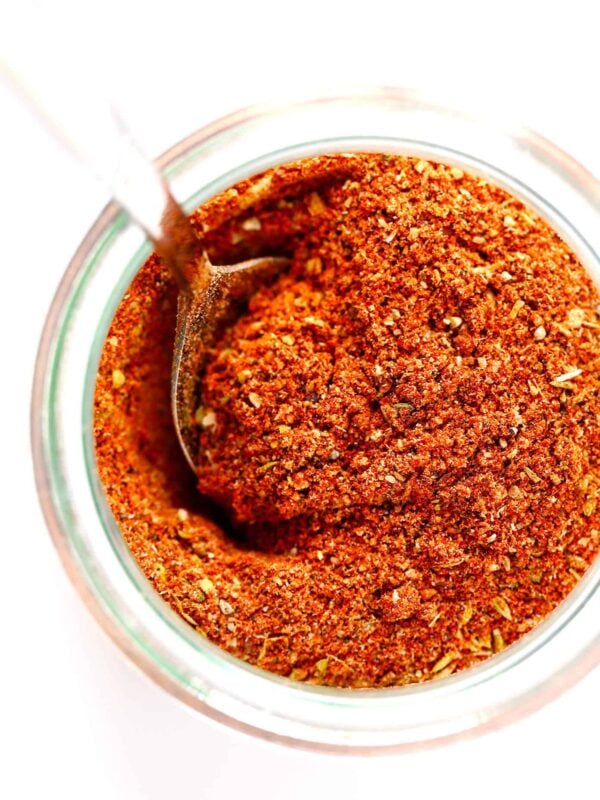
Simply stir all of your ingredients together in a small bowl (or shake them up in a spice jar) until combined. And…serve!
Ways To Use Za’atar:
Again, there are countless ways that you can put za’atar seasoning to use. Some of my favorites include sprinkling or stirring it into:
- meats, fish and seafood
- all kinds of veggies (grilled, roasted, sautéed, etc.)
- roasted chickpeas
- dips (hummus, baba ganoush, tahini dip, etc.)
- salads and salad dressings
- soups (especially lentil soup!)
- breads and pita chips
- olives
- popcorn
Za'atar Seasoning
Ingredients
- 1 tablespoon ground cumin
- 1 tablespoon ground* dried thyme
- 1 tablespoon sumac
- 1 tablespoon toasted sesame seeds
- (optional) 2 teaspoons dried marjoram
- 1 teaspoon fine Kosher salt
- 1 teaspoon freshly-ground black pepper
Instructions
- Combine all ingredients in a small bowl and stir until combined.
- Use immediately, or store in a sealed container for up to 3 months.
Notes
 Did you make this?Let me know how it turned out in the comments below!
I’m just waiting for my Sumac to arrive in the mail and then making this seasoning. Thank you for providing it as I’m always one who prefers to mix my own seasonings instead of buying commercially mixed versions
I’ve recently seen Za’atar used in Mac n Cheese which sounds intriguing. I’m looking forward to using this.
Hi! You mention paprika several times in your za’atar recipes for roast chicken breasts. Do you mean sweet paprika or pungent paprika?
i just found this recipe and will make it up and try it this weekend. I googled it as I didn’t know what Za’atar was. Very interesting, I’m looking forward to trying it. But one question, if a I may,
Is there a substitute for the Sumac, in case I can’t find it? I think I have everything else.
Hi
I share love for the Medditerranean za’atar spice as well.
I bought mine from The Medditerreanean Dish.com.
I have made your Every day salad dressing several times, so very good!
Thanks.
Zahter is great to use on bread. Dip your slice in olive, then mop up some zahter. Use warm French bread or xyz.
Haven’t made this recipe as yet but will share as soon
as I do.
Where do you find sumac in the United States as a spice?
The World Market store has it.
Grateful for this simple beautiful guide. It’s helpful.
Tasted Amazing! There’s a few variations of this recipe out there but this one was my fav, very balanced and authentic tasting. Thanks :)
I’goin to make it then I’ll send you an email thank you very much. Chao